AI app development cost
How Much Does It Cost to Build an AI App in 2026? A Complete Guide
Quick Summary * Building an AI app can cost anywhere from $15,000 to over $500

In today’s competitive startup ecosystem, speed and cost-efficiency can determine whether a business succeeds or fails. Instead of investing massive budgets into full-scale products, many successful startups begin with a Minimum Viable Product (MVP).
An MVP allows startups to test ideas, gather real user feedback, reduce risks, and scale strategically without overspending.
Some of the world’s biggest companies, including Airbnb, Dropbox, and Instagram, initially launched as MVPs before becoming global brands. This lean development approach has become one of the smartest ways for startups to validate business ideas and enter the market faster.
If you are planning startup app development, understanding the MVP development process can help you save time, money, and resources while building a scalable digital product.
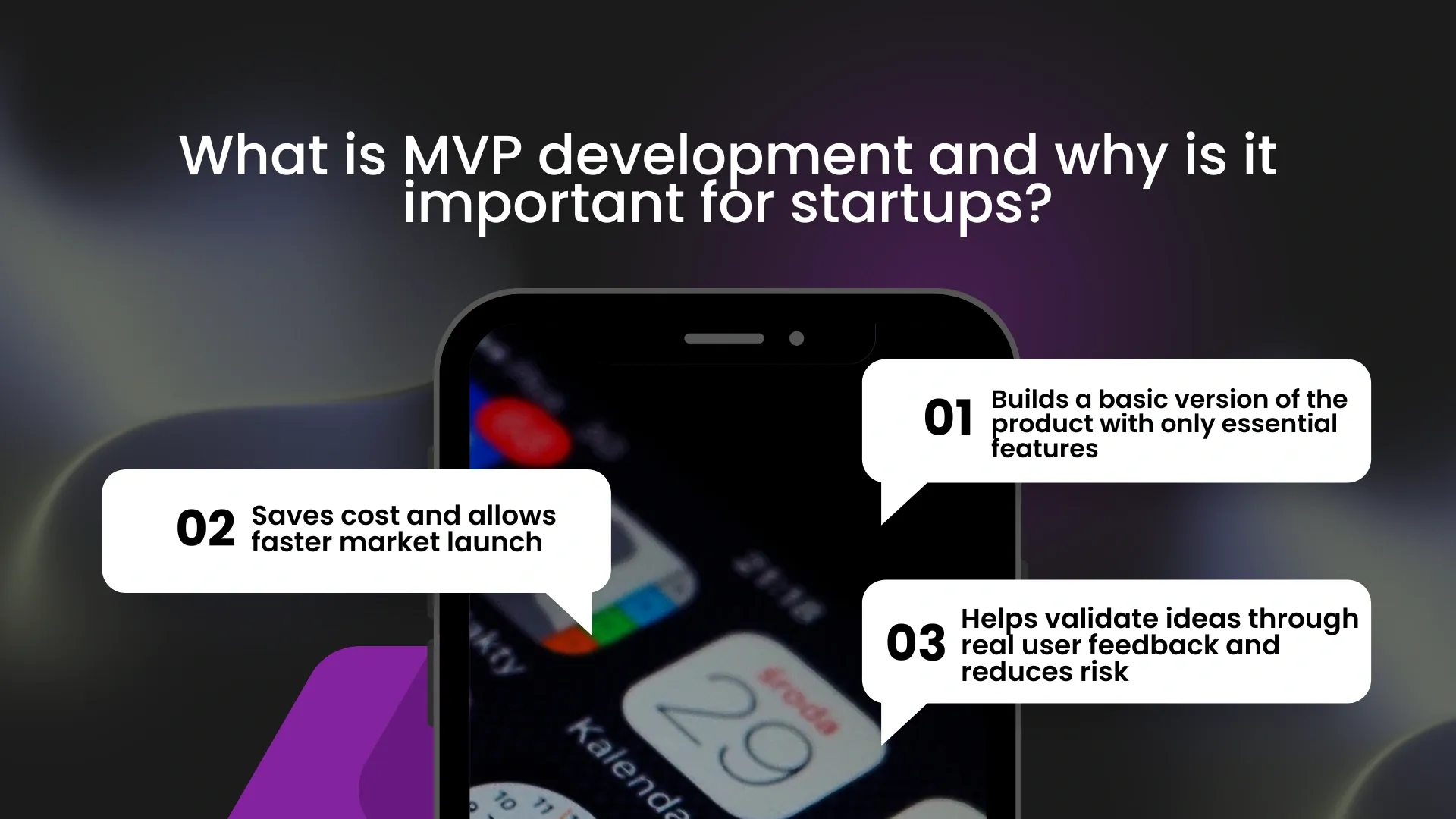
MVP development revolves around creating a product with a minimum set of functions that can be used to test your idea in the market. Startups also do not release a full or complete product but only a simplified version to real users.
Industry statistics show that approximately 90 percent of new businesses fail, and one of the primary causes is the development of products that are not needed by users. MVPs are useful in preventing this by ensuring that demand is checked in advance.
Startups can:
This renders MVP development a very important component in contemporary start-up strategies.
One of the biggest advantages of MVP app development is cost reduction. Instead of investing over $100,000 into a full product, startups can launch a simplified MVP at a fraction of the cost.
Speed matters in competitive industries. MVPs help businesses launch quickly and gain early traction before competitors.
Investors prefer startups with working products rather than ideas alone. A functional MVP demonstrates market potential and business viability.
Instead of guessing what users want, startups can collect actual feedback and improve products based on data.
Launching an MVP minimizes the risk of wasting time and resources on unnecessary features.
MVP is not a corner-cutting exercise but a process of concentrating on what is really important.
The initial step in developing an MVP is formulating the problem that your app is going to address. Scattered features are discouraged in your MVP, but you should have a single use case.
Ask yourself:
The transparency of this stage will be the precursor to a successful startup application development.
It is necessary to know your competitors and target audience. Examine the available applications and find market gaps.
Research helps you:
This is to make sure that you are basing your decision to build MVP app on real market insights.
Adding features is one of the greatest errors that startups commit.
Stick to features that provide value, which are must-haves.
Next Feature Prioritization
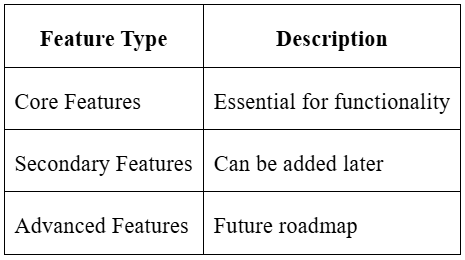
The focus of this priority makes your MVP lean and cost-effective.
Technology has a vital role to play in the development of MVP.
Several startups are favoring cross-platform frameworks such as Flutter or React Native to save on development time and cost.
The selection of the appropriate tech stack needs to be based on:
The right MVP development company can help you to choose the most effective method.
The design of your MVP does not require a complicated design, but it must have a comfortable user experience.
Focus on:
Research indicates that one out of eight (88% of users) abandons apps after noticing bad user experience, thus design is a major driver of success in MVP.
The speed is very important in MVP development. Be agile and develop your product in intervals.
It is also important to test. Even a simple MVP should be:
Rapid development and comprehensive testing warrant a successful launch of the product.
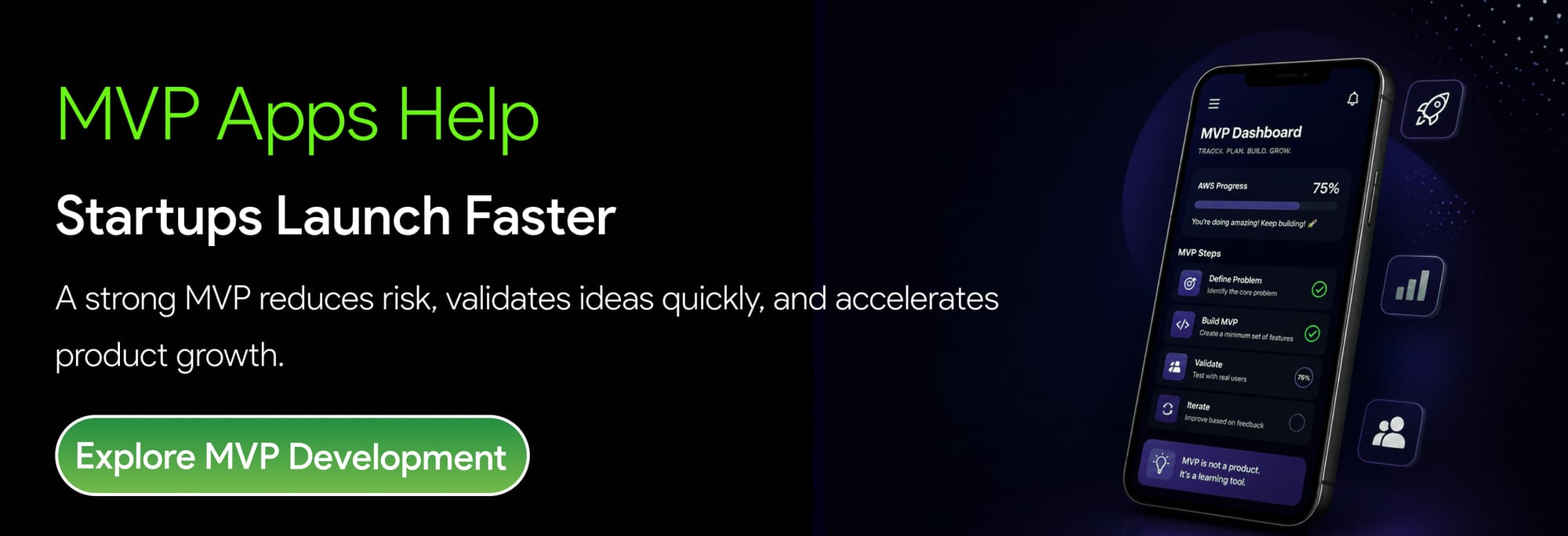
After you have your MVP, release it to a limited number of customers.
Collect feedback through:
This information assists you in knowing what is and what is not working.
Continuous improvement is the true worth of the development of MVP.
Based on user feedback:
This process of iteration makes sure that your app will change as the users require it to.
Cost efficiency is one of the greatest benefits of the MVPs.
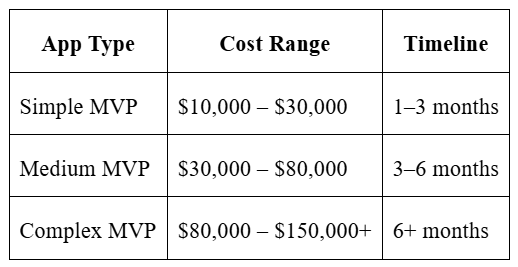
The price varies in features and technology, and the team that you contract.
A good MVP development firm would allow the firm to maximize cost without compromising quality.
Selecting an appropriate partner plays a key role in the app development of a startup.
Look for:
An excellent company will be worried about creating a scalable MVP instead of merely providing code.
New companies tend to do things wrong that would raise their costs and time to launch.
Avoid:
The trick is to make your MVP simple and focused.
To achieve optimum success, follow the following best practices:
These are practices that will guarantee your MVP is valuable and will drive growth in the long run.
The smartest approach for startups to test their ideas, minimize risk, and enter the market faster is MVP development.
Startups do not need to spend a lot of money on the initial investments, but can create MVP app solutions that prove the need and further development direction.
With attention to the essential characteristics, selecting the appropriate technology, and collaboration with skilled specialists, the efficient and cost-effective development of the startup app can be attained.
1. What is MVP development in mobile applications?
MVP development refers to the practice of developing a simple version of an application with the bare minimum features to test the idea and receive user feedback before extensive development.
2. What is the period of time required to develop an MVP app?
The average number of months is 1-6 months, and it depends on the complexity and features incorporated in the MVP.
3. What is the cost of MVP development?
This can be between $10,000 and $150,000 and above, depending on the complexity of the app, the features, and the development team.
4. Why do startups create an MVP?
To minimize risk, idea validation, cost savings, and real user feedback, startups must create MVP app solutions to develop full-fledged applications.
5. Which company should I select to develop my MVP?
When choosing an MVP development company, seek experience, portfolio, agile approach, open pricing, and scalability concerns.
Quick Summary * Building an AI app can cost anywhere from $15,000 to over $500
LoudOwls
Quick Summary * This blog explores the latest mobile app development trends re
LoudOwls
Key Takeaways ● A food delivery app like DoorDash typically costs $150,000
LoudOwls