AI app development cost
How Much Does It Cost to Build an AI App in 2026? A Complete Guide
Quick Summary * Building an AI app can cost anywhere from $15,000 to over $500


Creating a mobile application is no longer an option- it has become a must-have among businesses that want to remain competitive in the digital-first world. However, the same question remains: how can one develop a mobile application that is functional, scalable, and cost-effective?
Mobile applications are currently considered one of the strongest customer engagement and revenue generation tools, with more than 6.9 billion smartphone users all over the world. Regardless of your intentions to create a business application, enhance the customer experience, or be a start-up, it is essential to comprehend how the development process works.
This is a step-by-step tutorial that will take you through all the information you require to develop a mobile application, including idea validation, launching, and more.
It is better to realize that the development of an app is a systematic process before getting down to the details of it. The professional mobile app development services are executed in a systematic manner to make sure that there is efficiency, quality and scalability.
The following is a brief description of the process:
The importance of each stage is to make sure that your app will be a success in the market.
The initial phase of knowing how to develop a mobile application is to clarify a practical idea. Ask yourself:
An effective business application is one that is aimed at addressing actual user needs and not merely features. This will help in making all decisions that will guide your development.
After you know what you want to do, you want to research. Profiling competitors and detecting market gaps. Check out comparable applications and compare their merits and demerits.
There is industry research that a greater percentage of startups (42) fail because they are not needed in the market. This renders research an important process upon planning to develop a mobile application.
Focus on:
This will assist you to enhance your idea and develop a more competitive product.
Having done the research, enumerate features that you desire in your app. This will be divided into two categories:
This method can assist you in doing cost-focusing and cost-controlling development.
Example Feature Breakdown
It is always best to start with the basic features when creating a business application without spending a lot of money.
The choice of the development method is one of the most significant in terms of how to create a mobile app.
Options Available:
All these methods are advantageous and disadvantageous. Native applications are more high-performing whereas cross-platform apps are less expensive.
The majority of companies nowadays would choose cross-platform development because of the shortened durations and reduced cost without sacrificing performance.
Design does not only concern appearance - it has a direct effect on user experience and retention.
A well-designed app:
Studies indicate that 88% of users tend less to go to a bad user experience app. That is why the UI/UX design is an essential component of mobile apps development services.
Be simple, straight-forward, and consistent when creating your app.
This is the place where your application begins to take form. The development stage incorporates:
Mobile app development services that are offered by professionals commonly break this part up into smaller sprints so that improvements can be made continuously and they can be delivered more quickly.
It should be tested to make sure that your app is running well within the devices and platforms.
Types of testing include:
Poorly performing apps or buggy apps tend to crash. Mobile app development is one of these products because the final one must be of high quality due to thorough testing.
When you are ready to go, your app is ready to go. This involves:
A successful launch must have the appropriate planning, such as marketing and acquiring the user.
Developing an application is not a single process. There must be constant updating and improvement in order to remain competitive.
Maintenance includes:
Research indicates that maintenance is a significant aspect of the long-term success of businesses since businesses incur 15-20% of development cost on upkeep each year.
It is necessary to realize the cost of learning how to create a mobile app before you hire mobile app developers.
Depending on features, design and the team that you hire to develop it, the cost varies.
Some companies attempt to develop their apps internally, but there are several benefits of outsourcing the services of a professional hire mobile app developers:
This is particularly critical in the case of mobile app development agency that desire to develop a business application without having technical knowledge.
When developing a mobile app, one should not commit the following pitfalls:
These traps may be avoided and save time, money and efforts.
The first step to digital success is to understand how to develop a mobile app. Between idea validation, launch, and maintenance, each stage is very important in terms of defining the result.
To create a business app that will be unique, pay attention to the real problems, great user experience, and use the appropriate mobile app development services.
A strategically designed application will improve customer interactions and lead to the long-term development of a company.
At LoudOwls, we specialize in custom mobile app development solutions tailored to startups, enterprises, and growing businesses. Our team delivers high-performance Android, iOS, and cross platform mobile applications using the latest technologies and industry best practices.
Whether you need Flutter app development services, React Native app development services, or end-to-end mobile app development services, LoudOwls helps transform your app idea into a scalable and future-ready digital product.
Get in touch with LoudOwls today and start building a mobile app that drives real business growth.
FAQs
The app development cost usually ranges from $10,000 to $300,000+ depending on app complexity, features, platform, and development requirements.
The mobile app development process typically takes between 3 to 12 months depending on app functionality and project scope.
Cross platform mobile app development is ideal for businesses looking for faster deployment and lower costs, while native apps provide maximum performance and customization.
Flutter and React Native are among the most popular mobile app development frameworks for building scalable cross-platform applications.
Good UI/UX design improves user engagement, customer satisfaction, and app retention rates.
A professional mobile app development company provides technical expertise, scalability, security, testing, and ongoing support for successful app deployment.
After launch, businesses need regular updates, bug fixes, performance monitoring, security improvements, and feature enhancements to keep the app competitive.

Quick Summary * Building an AI app can cost anywhere from $15,000 to over $500
LoudOwls
Quick Summary * This blog explores the latest mobile app development trends re
LoudOwls
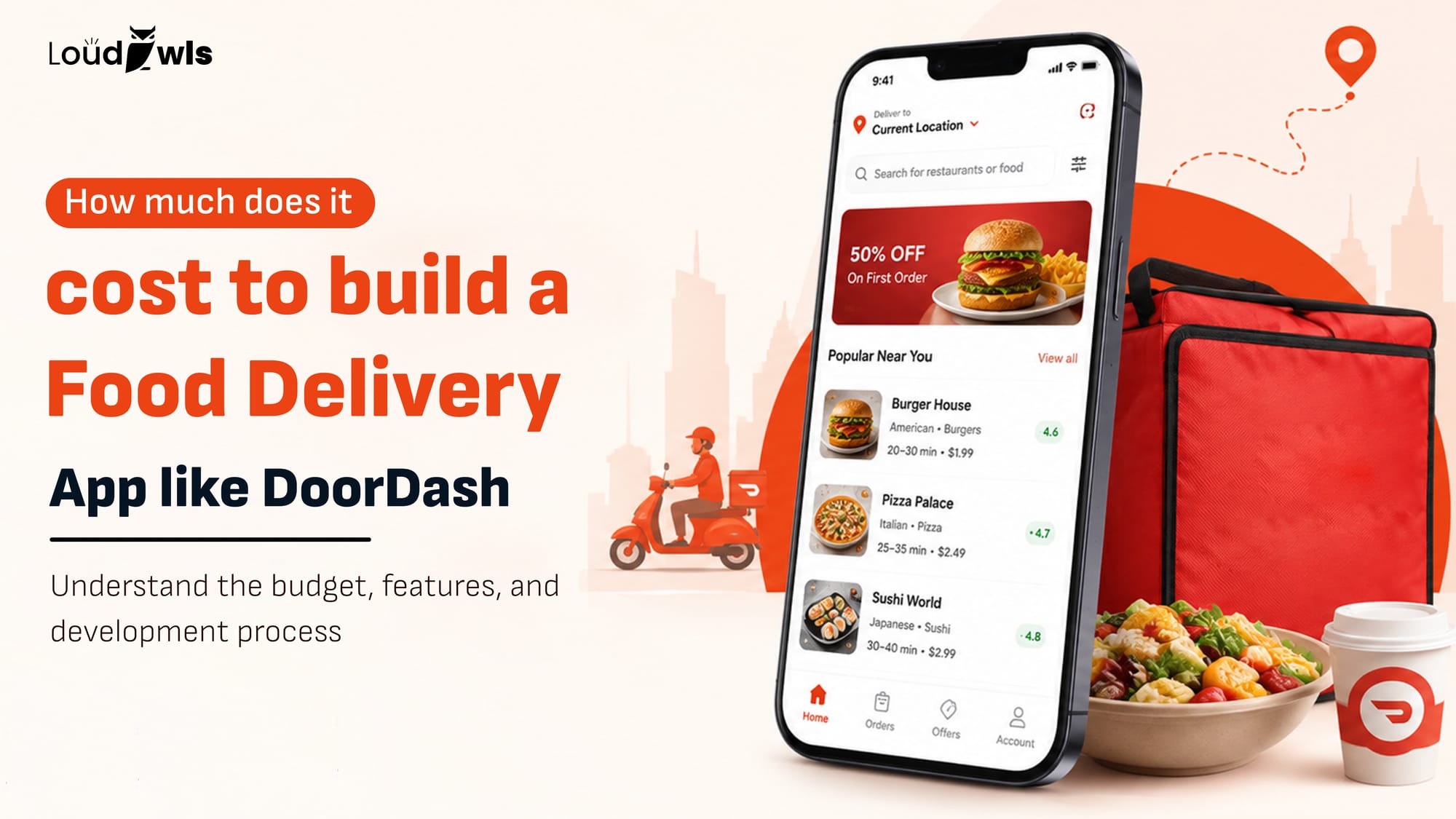
Key Takeaways ● A food delivery app like DoorDash typically costs $150,000
LoudOwls