AI app development cost
How Much Does It Cost to Build an AI App in 2026? A Complete Guide
Quick Summary * Building an AI app can cost anywhere from $15,000 to over $500
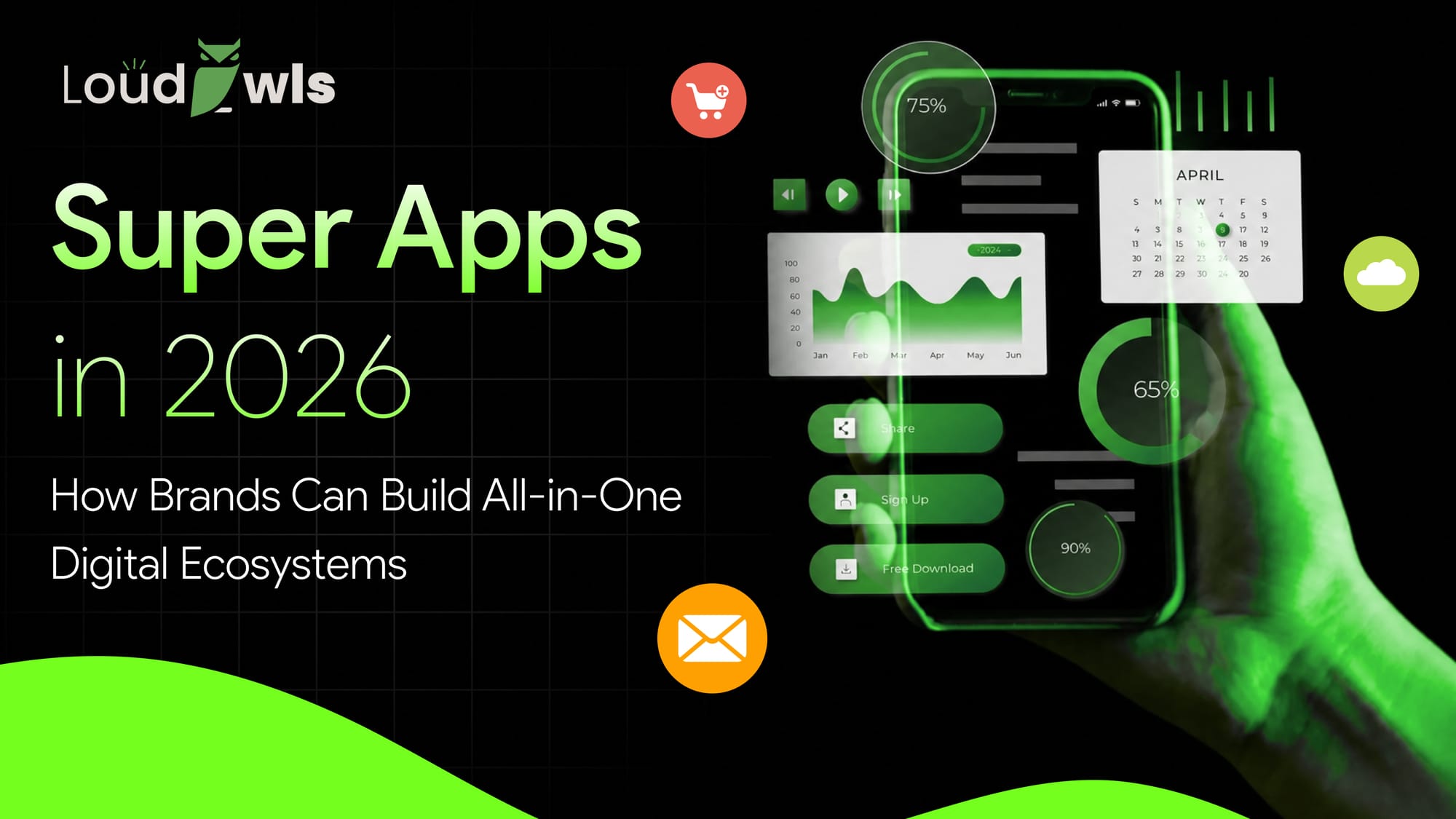

A few months ago, there was a lot of confusion about the number of custom mobile app development. According to the reports, the average smartphone has somewhere 20-40 applications installed. A recent study showed that although the number of apps has risen over the years, most people use few of them regularly.
So, the applications which you have are on your device, taking up storage space and occasionally sending notifications that go unread. This discrepancy gives rise to the super app or all-in-one app concept. Users are exhausted from having to remember what app does what, inputting their credit card information each time they purchase something, switching back and forth between applications, and running multiple errands due to having so many apps. They want less of an app for more features.
The super app phenomenon is no longer limited to Asia, either; it has gained its place in North America as well. For many years, analysts viewed services like WeChat and GrubHub as intriguing or innovative, but largely irrelevant to the western consumer culture. That perception is starting to change.
A super app is not just a regular app with a lot of features bolted on. It's a single platform where users can handle multiple distinct services payments, shopping, messaging, bookings, bill management, loyalty programs without ever leaving the app or logging into something new.
WeChat, Grab, and Gojek are the examples most people reach for, and they are fair references. But the underlying model works across different contexts. What actually defines a super app isn't the specific services it offers.
Super apps are built modularly. Individual services live as mini-apps inside the main platform, each handling its own function but drawing on the same login, the same wallet, the same user profile.
Super app development has been technically possible for a while. What's changed is that several things have lined up at once, making it a lot more viable than it was even two or three years ago.
Earlier, building a super app in Western markets felt unrealistic, but today an experienced app development company Canada can make it achievable. That does not guarantee success, of course. But the conditions are more favorable for building a super app.
Also Read: Top App Development Companies in Canada
The most common mistake teams make is starting with a feature list. They get excited about everything the platform could eventually do and start stacking services before anyone has mapped out how users will realistically move through the app. Then they wonder why adoption is slow.
A better starting point is the user journey. What are they doing before and after those tasks? That gives you a natural spine to build mini custom mobile app development around, rather than a collection of features.
From there, the actual build tends to follow a fairly consistent sequence:
Partnering with an experienced app development company that understands both the technical side and the user behavior side makes a real difference in whether a product actually finds traction or gets quietly abandoned.
If you are thinking seriously about consolidating your digital touchpoints into something more unified, the right place to start is an honest architecture conversation. Get specific about what your users actually need. Find a team that has genuinely built at this scale before. Focus on getting the core experience right before layering.
1. What is a super app and how is it different from a regular mobile app?
A super app is a type of application that includes many different functions such as shopping, messaging, payment processing, and booking into a single platform, whereas regular apps only offer one service or feature.
2. Why are super apps becoming popular in 2026?
Convenience is one reason that users are continuing to use super apps everyday in 2026 as they want to streamline their daily processes by not having to switch between multiple apps and therefore saving time, storage, and effort.
3. Can small businesses build a custom mobile app development super app?
Super apps can also be created by small to medium sized businesses as long as they partner with an experienced application development firm and utilize cloud-based development tools to create modular and scalable super applications.
5. How do brands start building a super app?
To begin developing a super app, companies will want to identify primary needs for their users, develop the core services of their application first, and then actively develop additional services using a modular development process with experienced super app developers.

Quick Summary * Building an AI app can cost anywhere from $15,000 to over $500
LoudOwls
Quick Summary * This blog explores the latest mobile app development trends re
LoudOwls
Key Takeaways ● A food delivery app like DoorDash typically costs $150,000
LoudOwls